TOPSLOTSASIA
Guides

Which slots actually tell you what you are playing?

Five games whose studios publish something real about the maths, ordered by how much that particular disclosure is worth. Not a ranking of good games. We have not reviewed any of them.

Published 2026-08-16Not changed since publicationNo review date set yetSources not re-read since publication

How this list was made

Ordered by how much the studio publishes about its own game, and by how much that particular disclosure is worth. Not by how good the game is — we have not reviewed any of them.

It is ordered by hand, and the reason for each title’s position sits under that title rather than in a paragraph at the bottom. No score produced this order, because no title in our database has a score yet — every one of them is a data record we have not reviewed. When they do have scores, the order will come from the published rubric and this note will say so.

5 of 97 titles in the database are on this list · ordered by an editor, never by commission

  1. 1
    RTP published
    86.00%–98.00%
    5 configurations
    Max win
    1,010×
    of stake
    Not scored yetVery high volatility
    Habanero · disclosure grade C

    Why hereFirst, and not because it publishes the most fields — it does not. It is here because Habanero publishes the whole set of builds this game ships in, and almost nobody does. Knowing that the same game exists in versions twelve percentage points apart changes what you are doing when you open it, in a way that no other single disclosure on this list does.

  2. 2
    RTP published
    96.08%
    1 configuration
    Max win
    800×
    of stake
    Not scored yet
    NetEnt · disclosure grade B

    Why hereThe most complete record on this site by a distance: a return, a cap, a hit frequency and a minimum stake, all on one page from a 2012 game. It publishes no volatility label, which is the only thing keeping it off the top of an arithmetic ranking — and the arithmetic ranking is not the one we are using.

  3. 3
    RTP published
    studio publishes none
    Max win
    10,000×
    of stake
    Not scored yetLow–medium volatilityDemo
    JILI Games · disclosure grade D

    Why herePublishes a volatility label in words and a maximum win, and no return figure at any level of detail. It is on this list rather than below it because it is the clearest proof of something this whole site argues: studios publish different fields, not more and fewer of the same ones, and a single letter grade cannot express that.

  4. 4
    RTP published
    96.81%
    1 configuration
    Max win
    2,500×
    of stake
    Not scored yet
    PG Soft · disclosure grade C

    Why hereThe return here is the only one on the list we found twice — on the studio’s own game page and in a testing laboratory’s report hosted on the studio’s own domain. Corroboration from a lab is worth more than an extra field. The studio also publishes a session volatility of 2 on a scale it never states the bounds or direction of, which we do not store and do not show you.

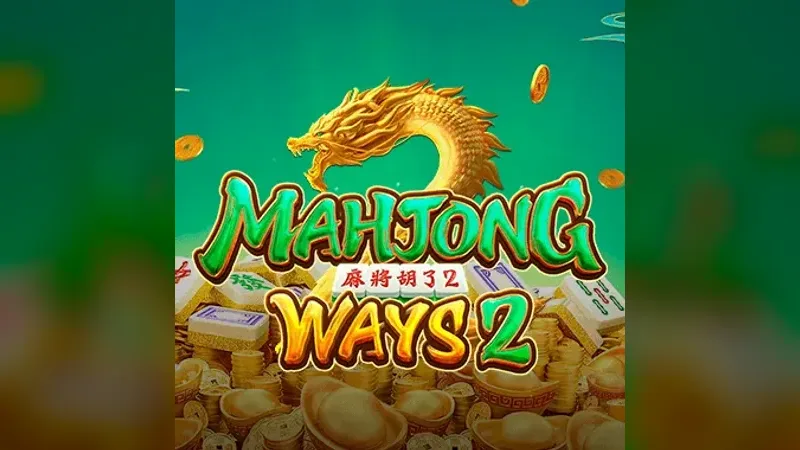
  5. 5
    RTP published
    96.95%
    1 configuration
    Max win
    100,000×
    of stake
    Not scored yet
    PG Soft · disclosure grade C

    Why hereA return and a very large maximum win, and nothing else. It is last here because two published fields is where this list stops being about disclosure and starts being about what is left — and the four titles below it publish either one field or none at all.

What this ranking is, and what it is not

  • It is an order, not a score. No title on this site carries a rating yet, so nothing here was computed. Every position is a judgement with a reason printed beside it.
  • Nothing here is paid. No position on this list can be bought, and none of the links on it earns us anything — they go to our own record for each game.
  • The figures are live. Each card reads the same stored figures as the game’s own page, so this list cannot go out of date separately from the records under it.
  • It is short because our database is. Nine titles are in it. A list of ten drawn from nine would be a ranking of everything we have, dressed as a selection.

This list has no named curator. Why, and who is accountable for it anyway.

What this list is ordered on

Every game on this site is a data record rather than a review, so none of them has a score and none of them can be ranked on quality. What they can be ranked on is something the industry almost never publishes at all: how much a studio is willing to say about the maths of its own game.

That is not a proxy for quality and it is not offered as one. A studio that publishes a return figure and a maximum win has told you two true things; whether the game is any good is a separate question and one we have not answered yet. What the disclosure does tell you is whether you are choosing between games or guessing between them.

Nine titles are in our database. Five publish enough to be on this list. The other four are at the bottom of this page, because a list of what studios disclose is only honest if it also says who discloses nothing.

The one disclosure that changes what you are actually doing

Most games ship as one thing. Some ship as several, and the casino chooses which one it runs: the same name, the same artwork, the same paytable, a different return.

Habanero publishes the full set for Fa Cai Shen: 86.00% to 98.00%. Not a range it markets, but the actual builds the game ships in, on the studio’s own page. The studio does not say which one an operator receives as standard, and neither do we, because saying so would be inventing the most consequential fact on the page.

Almost no studio in this industry publishes that set. It is the reason this title is first on the list despite publishing fewer fields overall than the one below it.

The most complete record here is fourteen years old

Age and reputation do not predict disclosure, and the clearest evidence is that the fullest maths record in our database belongs to a game from 2012.

For Starburst, NetEnt publishes a return of 96.08%, a maximum win of 800×, a hit frequency, and a minimum stake, which is four separate figures on one page. What it does not publish is a volatility label, which is the single field most readers would ask for first.

That pattern repeats across every studio we have looked at. They do not publish more and less of the same things. They publish different things.

A game with a volatility label and no return at all

If disclosure were a single dimension, Money Coming would sit near the bottom of it. It publishes no return figure of any kind: not a number, not a range, not a note saying it varies.

What JILI does publish for it is a volatility label in words, a maximum win of 10,000×, a payline count and a release month, all laid out in a specification table on the studio’s own page. Now compare it with a title from a studio we grade higher:

RTP published
96.50%
1 configuration
Max win
not published
Not scored yet
Pragmatic Play · disclosure grade B

One published return, 96.50%, stated in a sentence, and nothing else at all: no volatility, no cap, no hit frequency. It is the most played game on this list and the least disclosed, which is why it is on this page rather than on the list.

One of those two tells you what kind of session to expect and not what it pays back. The other tells you what it pays back and nothing about the session. Neither is more disclosure than the other, and any single letter grade for a studio has to pick one of them to be wrong about.

A second source is worth more than a fifth field

One return figure on this list appears in two places, and that is rarer than it sounds.

PG Soft publishes 96.81% for Fortune Tiger on its own game page, and we also found it in a testing laboratory’s report published on that same studio host. A figure a lab has independently produced is a stronger object than a figure a studio has typed, and corroboration is worth more to a reader than an extra field would be.

The same page prints a session volatility of 2, and the studio never states that scale’s bounds or its direction. The return is stored; the 2 is not. Turning a bare integer into a volatility word would put our guess under a studio’s byline.

Where the list stops

The last title on the list, Mahjong Ways 2, publishes a return and a very large maximum win and nothing else.

96.95% and 100,000× are two real disclosures and they are where this list ends, because below it the drop is steep rather than gradual. Two titles in our database publish a single return figure in a single sentence, and two publish no maths at all.

The two with nothing are worth naming.

One is a crash game whose provider renders almost no text on any of its own pages, and the percentage quoted for it across the internet is one we could not find on any host belonging to the provider.

The other is a dealt card game whose returns are all stated as optimal, meaning they assume the player folds and raises correctly, and a figure that assumes correct play belongs nowhere near a column that sorts, so all three of them stay in prose on that title’s own page. Both absences are real.

What this list cannot tell you

Everything above is what the studio publishes. None of it is what your casino has loaded.

The figure that would actually answer the question is the per-casino, per-game reading: which build the operator in front of you received. Nobody in this industry publishes that join and we have not built it either. Until we have, the one place most players can read the build in front of them is the game’s own information screen, inside the casino client.

So read this list as what it is: a ranking of how much the studios will tell you, not a ranking of what you will get.

Questions this raises

Does a studio publishing more mean the game is better?

No, and this list is not ordered on quality. None of these games has been reviewed by us and none carries a rating. Disclosure tells you whether you are choosing between games or guessing between them; it says nothing about whether any of them is worth playing.

Why is the game with the most published figures not first?

Because one of the disclosures on this list is worth more than the others. Publishing the whole set of builds a game ships in tells you the same game exists in versions that pay back very differently, and that changes what you are doing when you open it. An extra ordinary field does not.

Why are there only five games on the list?

Because only five of the nine titles in our database publish enough to rank. Two publish a single return figure in a sentence and two publish no maths at all. A list of ten drawn from nine would be a ranking of everything we have, presented as a selection.

Can a studio pay to be on this list?

No. Nothing on this site can be paid for, no link on this page earns us anything, and every link here goes to our own record for the game rather than to a casino.

Do these figures apply to the version my casino is running?

Not necessarily, and for one of these games almost certainly not. Studios build several versions and the operator receives one; neither side usually says which. The information screen inside the casino client is the only place most players can read the configuration they are actually playing.

Where the figures come from

Not a bibliography — these are the addresses behind the numbers this site stores about the 8 records this piece is about, with the date we read each one. Anything the article argues from that we have not stored as a figure is not in this list, and we would rather say that than pad it.

  • Fa Cai Shen — return figures (5 published)habanerosystems.com· read 2026-08-14
  • Fortune Tiger — return figures (1 published)www.pgsoft.com· read 2026-08-14
  • Gates of Olympus — return figures (1 published)www.pragmaticplay.com· read 2026-08-14
  • Mahjong Ways 2 — return figures (1 published)www.pgsoft.com· read 2026-08-14
  • Starburst — return figures (1 published)netent.com· read 2026-08-14

Corrections

Nothing on this page has been corrected since it was published on 2026-08-16. When something is, it is listed here with the date and what changed — not quietly edited. How we handle a correction.

More from the guides